
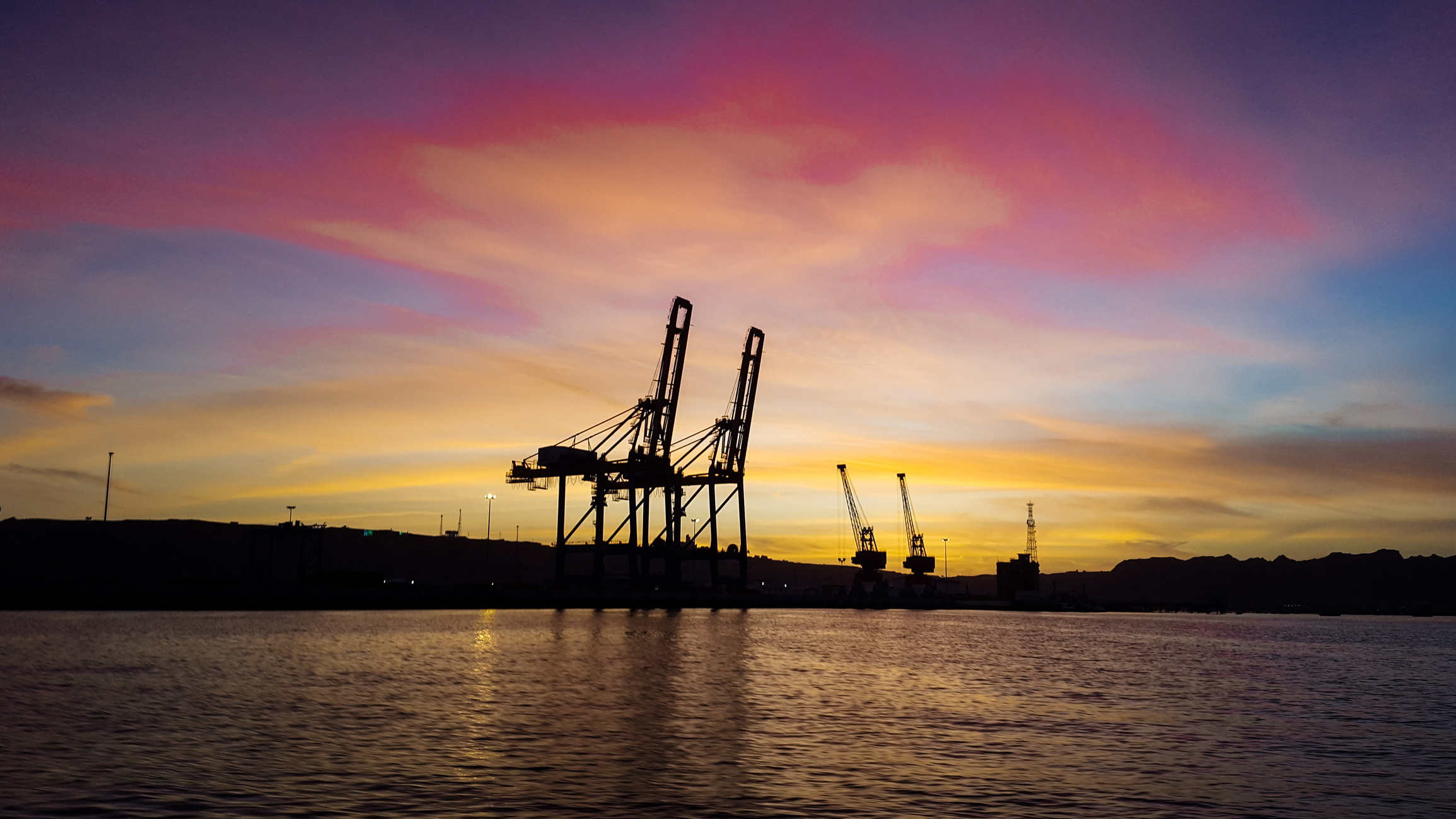
The shift away from Afghan transit routes gained momentum in April 2026, when Pakistan Customs launched an export consignment from the Karachi Export Processing Zone to Kyrgyzstan via the Sost Dry Port in China. This move follows the indefinite closure of the Torkham and Chaman borders in October 2025, prompted by persistent security risks and cross-border militancy. By integrating the Pakistan-Iran Transit Corridor and the Sost-Kyrgyzstan-China link, Islamabad is establishing a multi-modal bridge for landlocked Central Asian nations.
Central Asian states, increasingly frustrated by unpredictable transit fees and security threats in Afghanistan, have embraced these alternatives. Recent data shows over 14,000 metric tons of cargo have already moved across these new routes. Private sector players, such as the Hemani Group, have successfully utilized the Pakistan Single Window system to clear shipments, proving the viability of two-way trade. For Uzbekistan and Kyrgyzstan, the Gabd-Rimdan border terminal and the Sost route offer a professionalized, stable gateway to the Arabian Sea.
These corridors provide a crucial bypass to the Strait of Hormuz, positioning the Gwadar Port as a central hub for Eurasian trade. As regional powers prioritize economic connectivity, the long-term strategic value of the Afghan transit corridor appears to be eroding. If the Taliban regime cannot secure its borders, it risks permanent economic isolation as trade patterns realign to favor these more predictable, institutionally managed networks.
Comments (0)
No comments yet. Be the first!