
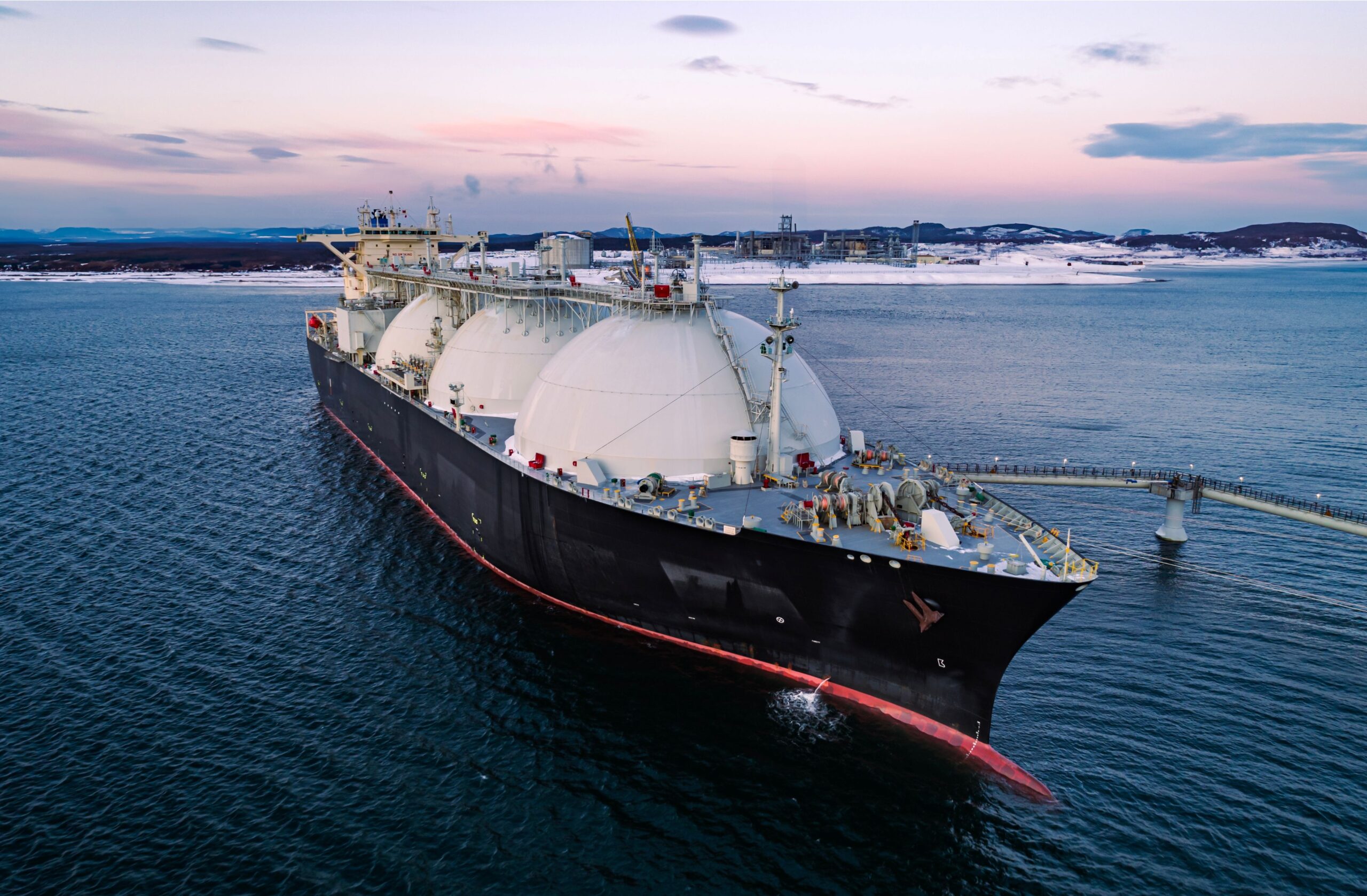
Between March and May 2026, Russian LNG imports into Europe surged 17% compared to the previous year. While the EU banned new short-term contracts in April, existing long-term agreements remain legal, allowing companies like TotalEnergies, Naturgy, Sefe, and Fluxys to maintain steady supply chains. Analysts suggest this rush is driven by a combination of energy insecurity following the closure of the Strait of Hormuz and a lack of coherent long-term alternatives to Russian fossil fuels.
The role of European infrastructure
The trade relies on a fleet of 15 specialized Arc7 icebreaking tankers, which require regular maintenance at European shipyards. With the French firm Damen exiting the market, the Danish shipyard Fayard has become the sole provider servicing these vessels. While Prime Minister Mette Frederiksen has publicly condemned the shipyard’s involvement, Fayard maintains that its operations are compliant with current EU energy policies, which permit imports until 2027. Experts argue that until Europe prioritizes demand reduction and accelerates renewable integration, the continent remains trapped in a cycle of reactive fossil fuel procurement that undermines its own sanctions regime.
Comments (0)
No comments yet. Be the first!