
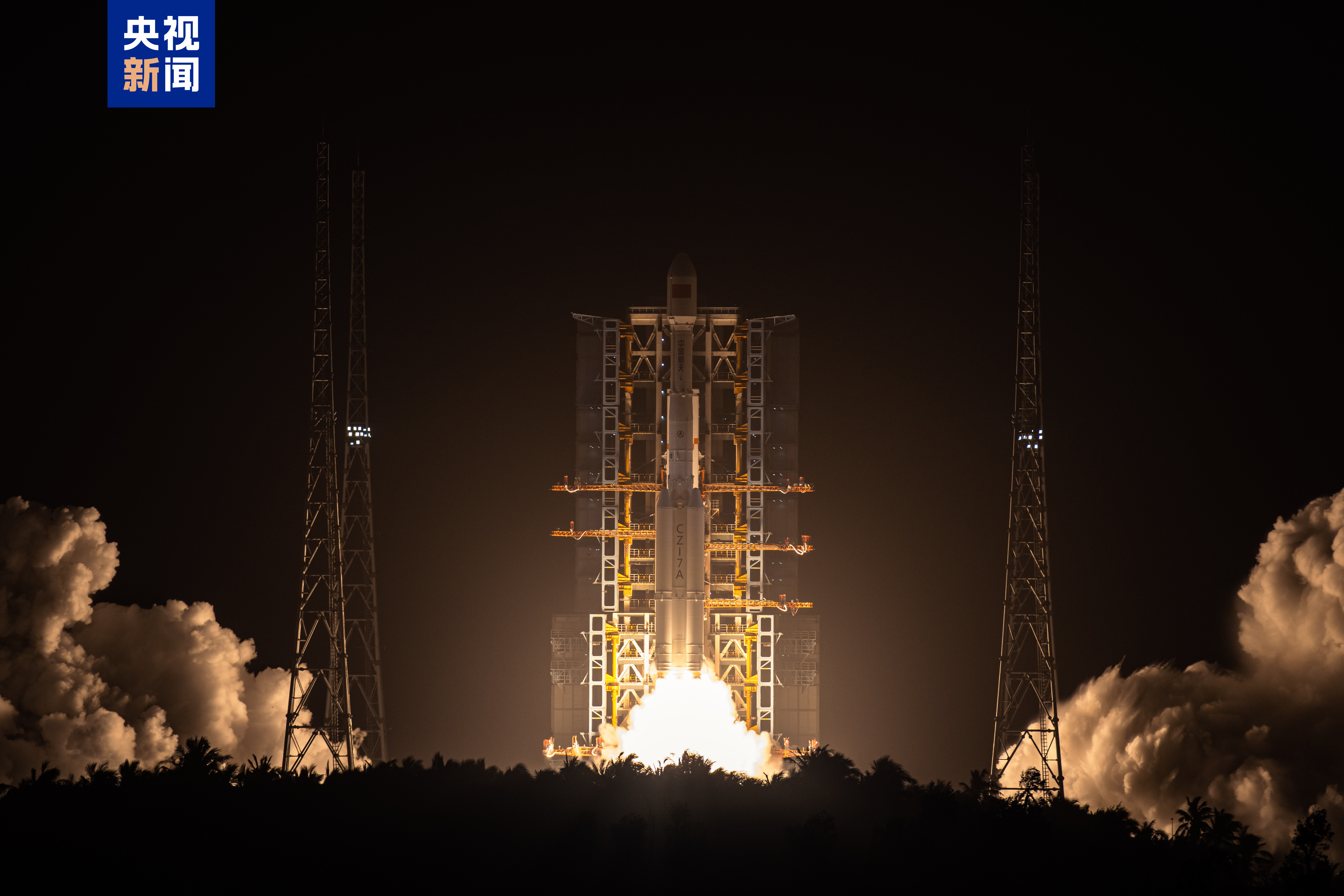
The satellite project, known as the Tianwu Constellation, will see its first five units in orbit by 2026. Experts note that the dual-use nature of these remote-sensing technologies provides Beijing with a comprehensive 'eye in the sky' while leaving regional partners with limited access to the raw intelligence gathered. This infrastructure push is matched by a broader campaign to embed Chinese influence in the region’s governance and economy.
Beijing is actively positioning itself as the primary architect of Central Asia’s digital and industrial future. Kai-Fu Lee, a prominent AI investor and advisor to Kazakh President Kassym-Jomart Tokayev, is currently steering government officials toward Chinese AI models. Simultaneously, Chinese state-backed corporations are securing massive industrial footprints. In Kazakhstan, firms like the China Nonferrous Metal Mining group are expanding operations with billion-dollar investments in aluminum and copper smelting, while the Abai region prepares for a $1.5 billion industrial park under an agreement with the DDS Group.
Beyond heavy industry, China is deepening its footprint in education and logistics. New agreements in Turkmenistan will integrate Chinese language instruction and research into the university system, while a new rail link connecting Qinghai to the Balkan region creates a direct transit corridor for goods headed toward Iran and Europe. In Kyrgyzstan, state-owned Eldik Bank has secured a 1 billion yuan credit line from the China Development Bank, further tying local small and medium-sized enterprises to Chinese financial structures. These moves signal a coordinated effort to align the region’s technical standards, financial dependencies, and infrastructure with Beijing's strategic priorities.
Comments (0)
No comments yet. Be the first!