
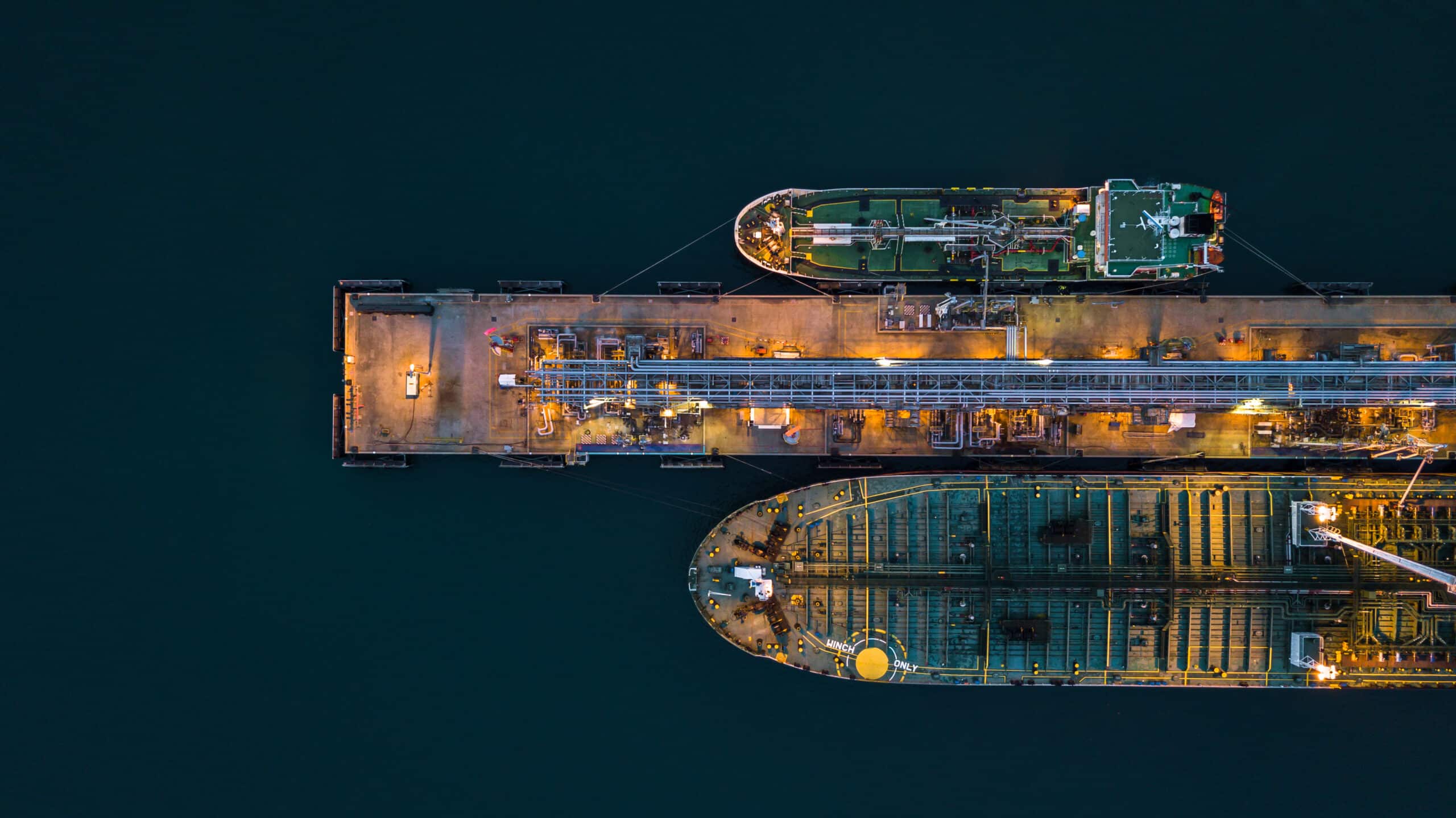
The MERA Oil consortium, a joint venture involving U.S.-based MWG Enterprises and Saudi-linked interests, has launched plans for a $5 billion integrated refinery and export hub. Located outside the Strait of Hormuz, the facility will process 200,000 barrels per day, providing a resilient outlet for crude and refined products. With mechanical completion targeted for 2029, the project serves as a cornerstone for broader efforts to stabilize energy security across the Gulf Cooperation Council states.
Simultaneously, Washington is reviving the India–Middle East–Europe Economic Corridor (IMEC). By anchoring the eastern maritime leg in Oman and utilizing a rail network across the Arabian Peninsula, planners aim to divert up to 60% of container traffic away from Iranian-monitored waters. A more radical, secretive proposal involves an overland pipeline stretching from the Saudi desert to Israel’s Mediterranean ports. Israeli Energy Minister Eli Cohen and Prime Minister Benjamin Netanyahu have both signaled support for this route, which would repurpose existing infrastructure to render the traditional maritime chokepoints obsolete. According to sources close to the U.S. Treasury, this strategy serves a dual purpose: securing energy flows while providing a pretext for increased security presence and potential regional regime change.
Comments (0)
No comments yet. Be the first!