
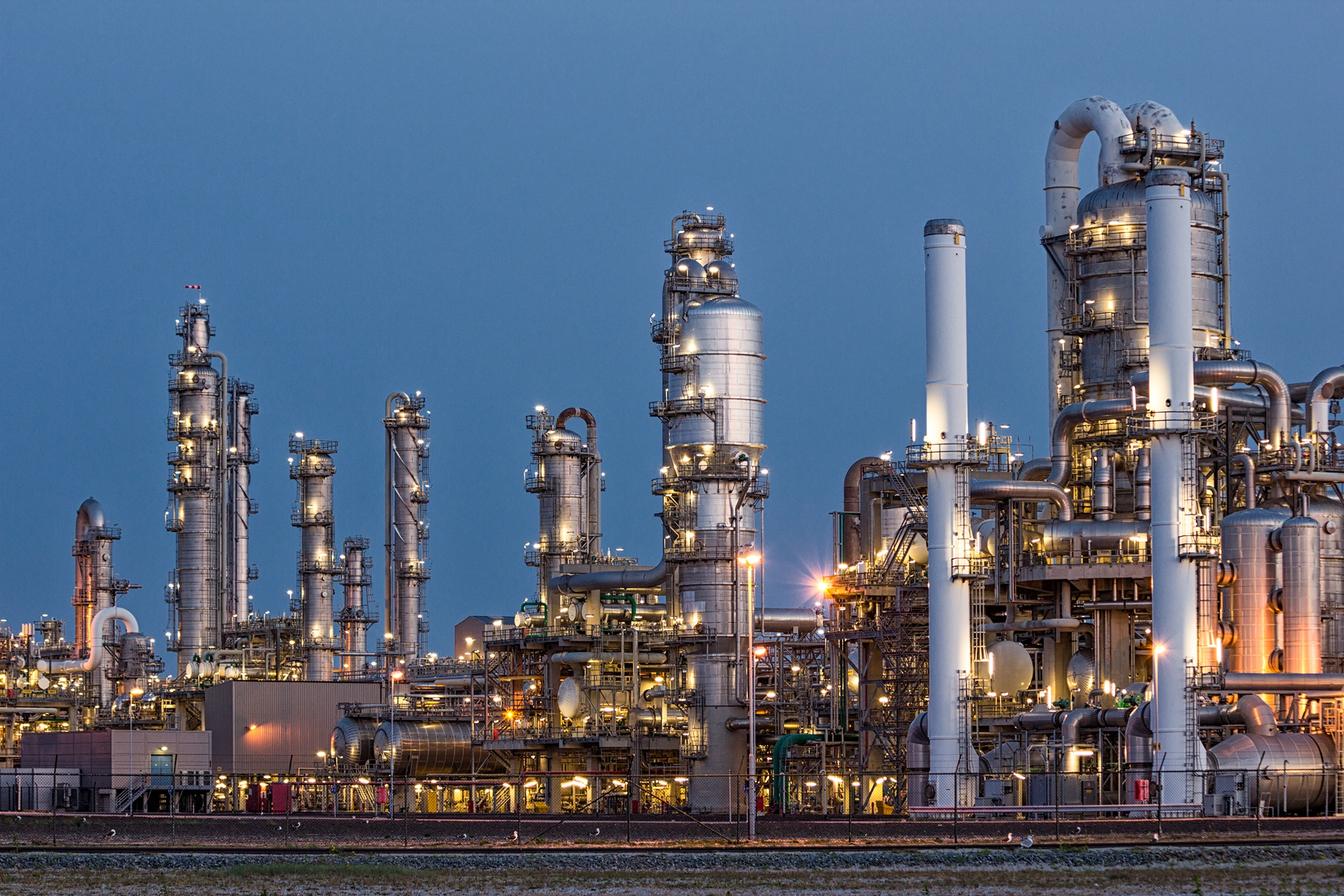
The political maneuver, announced ahead of the November 3 midterm elections, aims to curb domestic fuel prices by securing 300,000 tons of Russian diesel immediately, with larger shipments to follow. However, experts remain skeptical. Ukrainian drone strikes have severely hampered Russia’s refining capacity, and the country is already struggling to balance domestic fuel needs with existing export obligations. Even if a ceasefire were established, repairing damaged processing units would be a long-term endeavor, not an immediate fix.
Beyond the technical limitations of Russian refineries, the global energy market remains distorted by extraordinary logistical costs. Shipping and insurance premiums have surged, with some routes seeing these expenses account for over one-third of a commodity's total value. Even as political agreements attempt to signal increased supply, the reality of longer voyages and reliance on alternative routes ensures that delivery costs remain high. Meanwhile, tensions in the Middle East continue to threaten the infrastructure and logistics networks essential for global energy stability. Recent Houthi attacks on Saudi facilities underscore the vulnerability of these supply chains, suggesting that even if export volumes recover, the path to market remains fraught with risks.
Comments (0)
No comments yet. Be the first!