
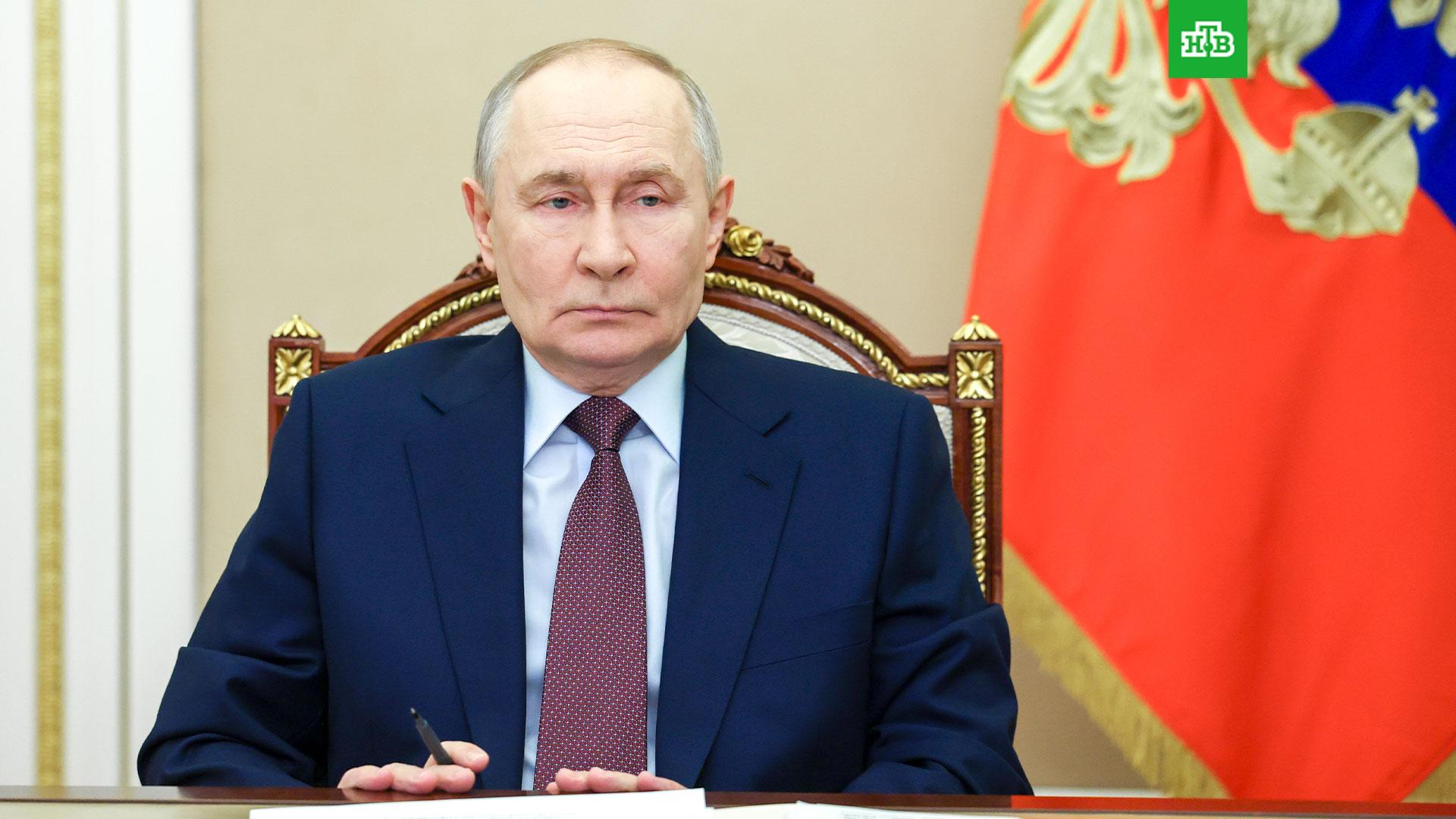
Russia is reaching the limits of its war-time economy. With the budget deficit projected to hit 3.2% of GDP and the military demanding an additional 2 trillion rubles to cover rising recruitment and casualty costs, Vladimir Putin’s government is running out of painless ways to fund the conflict. While the Kremlin continues to escalate hybrid attacks across NATO territory, these maneuvers are largely symptoms of a regime desperate to force a political collapse in Kyiv before its internal financial buffers evaporate.
Yet, the irony remains that European support for Ukraine risks crumbling exactly when Russia’s capacity to sustain the war is under the most pressure. The upcoming 2027 elections in France and Italy threaten to expose a growing disconnect between public rhetorical support for Kyiv and the actual political appetite for funding a prolonged defense. Should Marine Le Pen succeed in her presidential bid, her administration would likely maintain military training but move to block essential financial aid and EU-wide support mechanisms. Coupled with internal EU skepticism regarding Ukraine’s accession and the logistical nightmares of integrating a war-torn, agrarian economy, the risk of a slow, policy-driven retreat is rising. Europe’s challenge is to ensure that its own domestic political divisions do not inadvertently deliver the victory that Russia has so far failed to secure on the front lines.
Comments (0)
No comments yet. Be the first!