
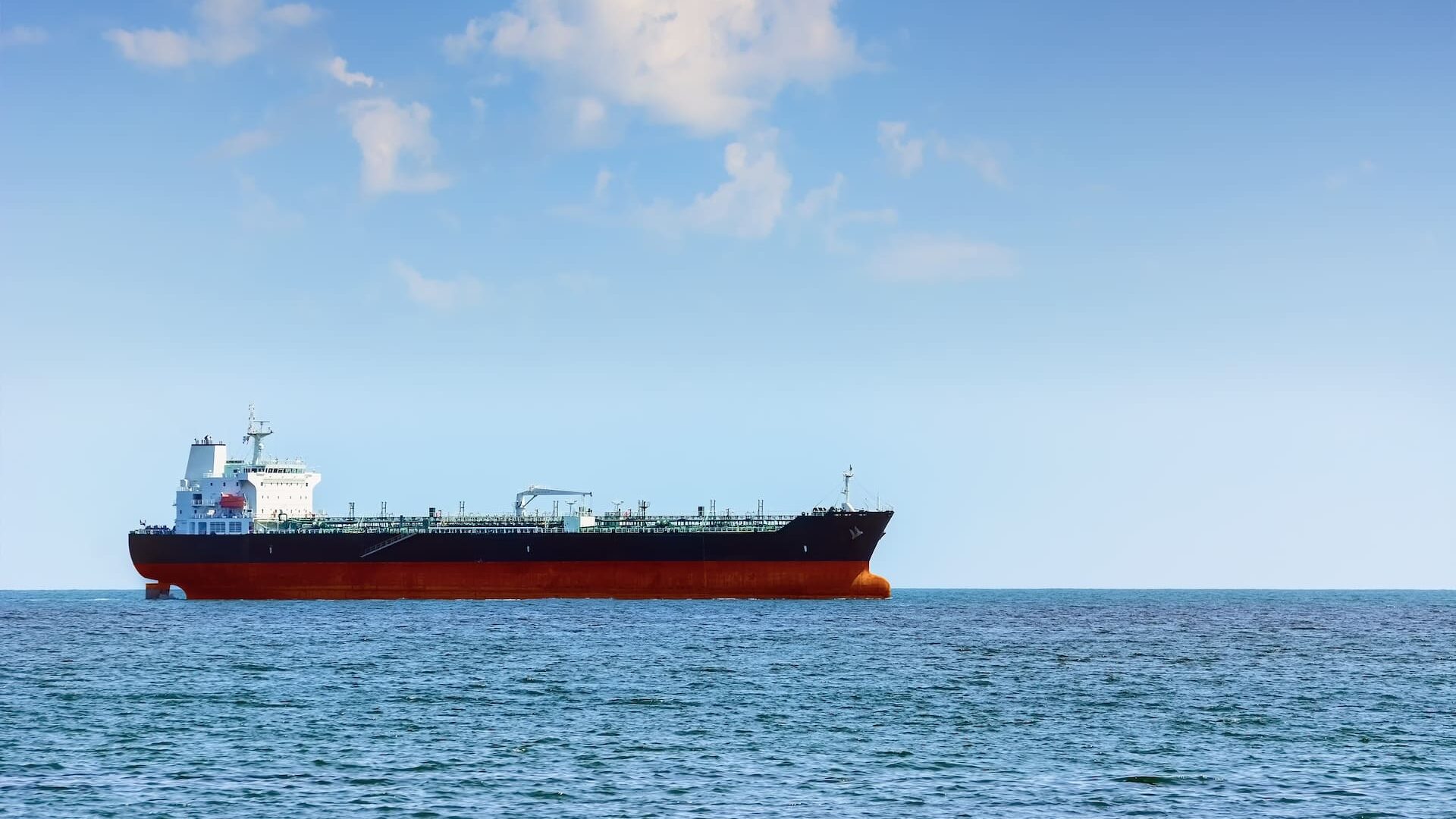
Investment banks and the Reserve Bank of India are aggressively revising growth forecasts downward as the three-month-old conflict in the Middle East chokes critical energy supply lines. To mitigate the impact, local refiners are pivoting toward Russia, Venezuela, and Brazil, yet this diversification cannot fully offset the inflationary pressure or the immediate threat to the balance of payments. The government recently intervened to prop up the rupee after the currency hit a record low against the U.S. dollar.
Economic analysts warn that the situation remains precarious. According to 360 ONE Capital, if crude oil prices sustain an average of $90 per barrel through March, inflation will likely accelerate to 4.8%. A further $10 spike would be even more damaging: projections suggest this could suppress GDP growth by 40 basis points to 5.9%, while pushing the fiscal deficit to 4.8% of GDP. While the RBI maintains that the broader economy shows resilience, the current energy landscape presents clear, immediate risks to both consumer prices and long-term fiscal health.
Comments (0)
No comments yet. Be the first!