
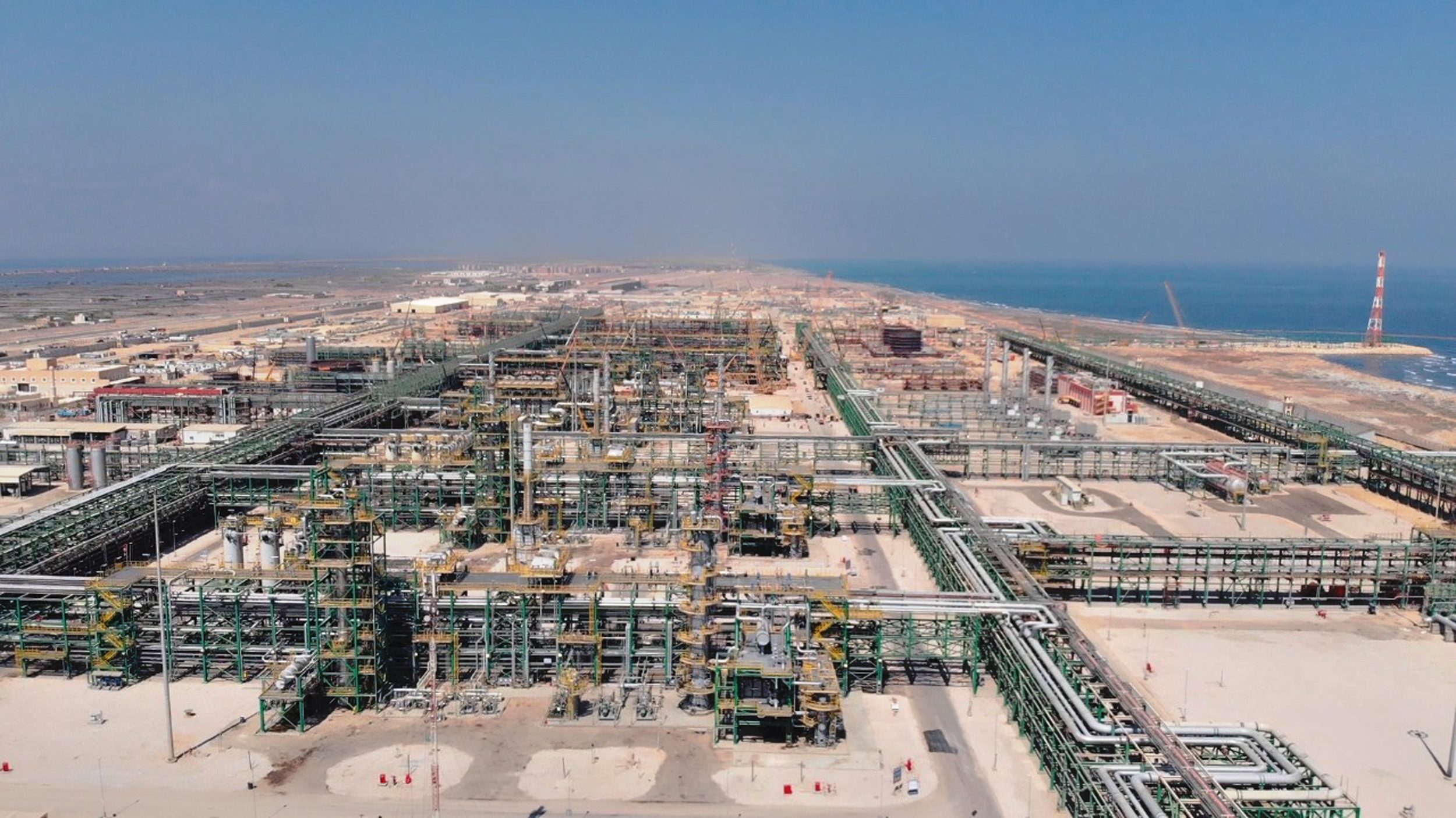
The payment, confirmed by Petroleum Minister Karim Badawi, marks a shift for a nation holding an estimated 93 trillion cubic feet of proven gas reserves. With the debt burden removed, British supermajor Shell is accelerating activity at the Mina West field, while Chevron and Eni ramp up operations in the Mediterranean. This revitalization is supported by a new economic framework that includes the abandonment of the Egyptian pound's artificial peg and a reduction in state ownership of energy projects to mitigate sovereign risk.
Beyond immediate extraction, Egypt’s appeal lies in its unique infrastructure. As the only nation in the Eastern Mediterranean with operational liquefied natural gas export capacity and control over the Suez Canal, it serves as a critical energy bridge. While Western firms move to secure these assets, Beijing and Moscow are pivoting their strategies. China is expanding from logistics in the Suez Canal Economic Zone into upstream exploration, while Russia seeks to utilize Egypt as a bypass for energy exports. This competition transforms Egypt into a high-stakes arena where resource wealth, maritime transit control, and historical political influence converge.
Comments (0)
No comments yet. Be the first!