
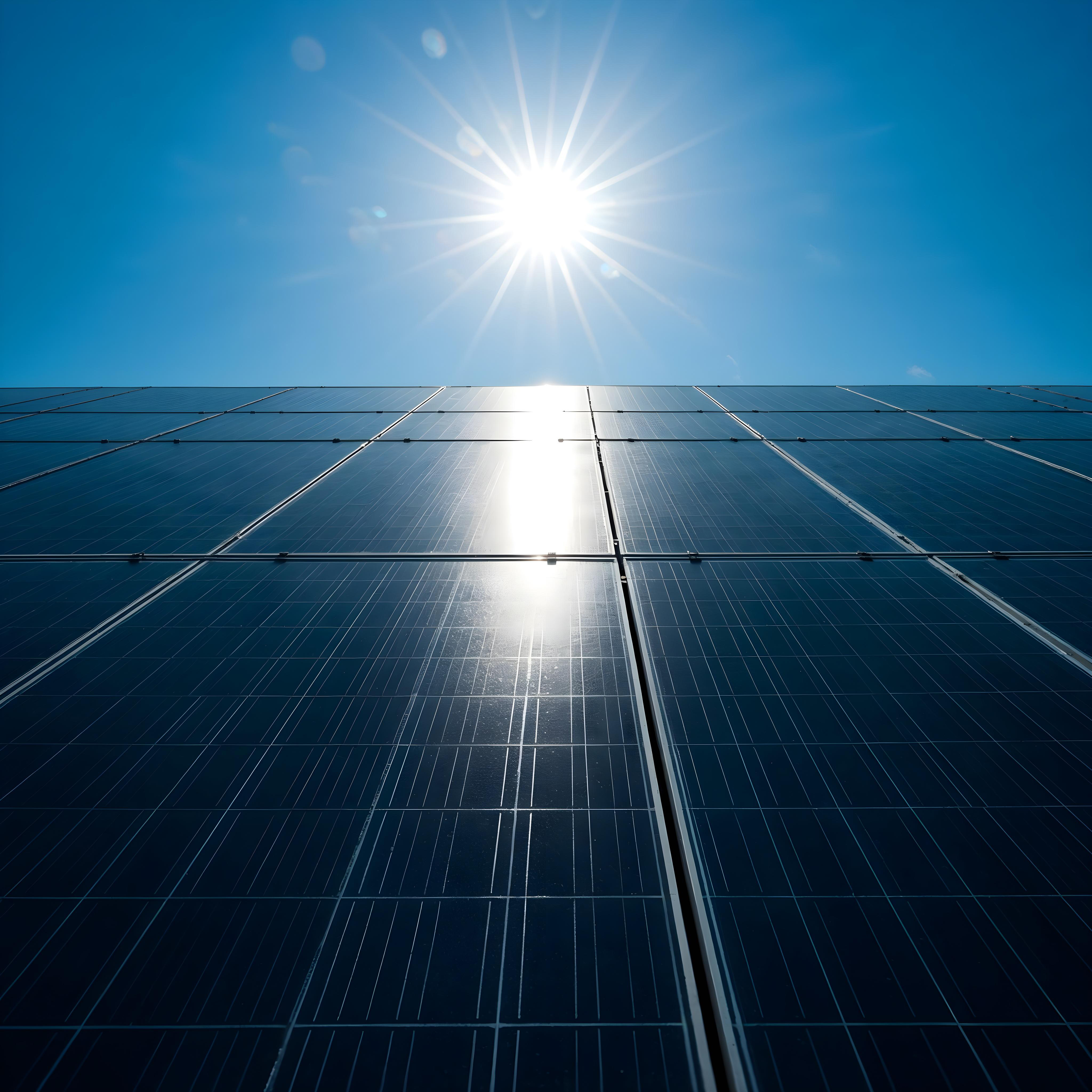
While solar power currently ranks as the cheapest energy source in human history, the political landscape for renewables in the United States is rapidly shifting. During the early 2020s, nearly half of the American population resided in jurisdictions with legally binding decarbonization commitments. Today, many of those same states and cities are actively repealing or diluting those mandates, citing a combination of legal pressure from the Trump administration and rising energy costs.
New York serves as a primary example of this retreat. In May, Governor Kathy Hochul pushed back the state’s 40 percent greenhouse gas reduction target from 2030 to 2040. While Hochul attributed the shift to consumer energy prices, critics note the move effectively neutralized a legal defeat regarding her administration’s failure to meet original statutory deadlines. Researchers warn that using affordability as a justification for weakening climate policy is a tactical error, as fossil-fuel dependency remains a key driver of long-term economic inflation.
Despite the friction in blue states, the transition is paradoxically thriving in more rural, conservative regions. Red states are seeing a boom in utility-scale solar and wind projects, largely because they possess the land required for large-scale installations and often maintain fewer bureaucratic hurdles than their coastal counterparts. As market forces continue to drive down the cost of renewables, the primary barrier to adoption in the U.S. appears to be shifting from economic viability to a complex tangle of political maneuvering and restrictive local red tape.
Comments (0)
No comments yet. Be the first!